US Senate Rejects CLARITY Act Proposal on Digital Asset Regulations
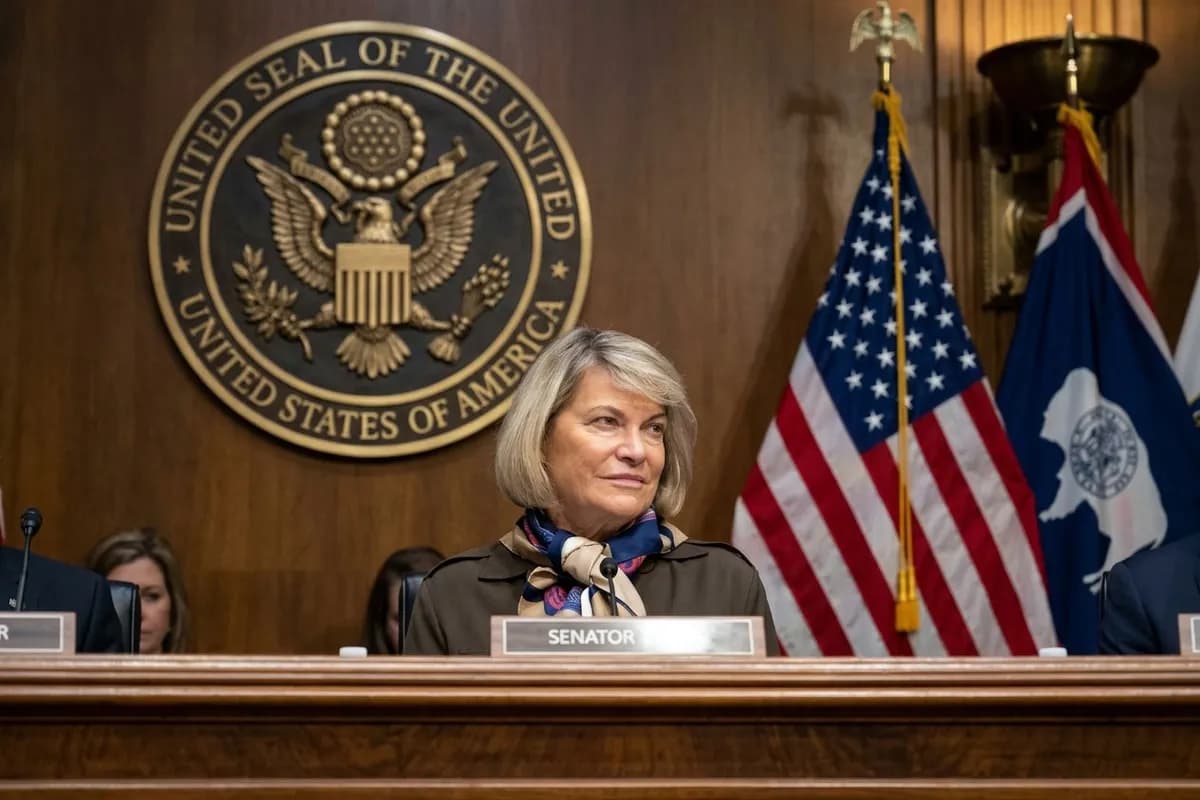
The US Senate voted 49-50 against the procedural motion for the CLARITY Act, which included provisions for external audits of digital asset projects raising over $25 million. The bill failed to advance, needing 60 votes to proceed.
Overview of the Vote
The US Senate has rejected the procedural motion to begin discussions on the CLARITY Act, a legislation aimed at regulating the digital asset market. The final vote was 49 in favor and 50 against, falling short of the 60 votes required to move forward.
Key Provisions of the CLARITY Act
The CLARITY Act included a requirement for external audits and disclosures for digital asset projects that raise more than $25 million from the public. This measure aimed to enhance transparency and protect investors. However, the bill did not pass due to opposition primarily focused on ethics provisions related to conflicts of interest for high-ranking officials.
Implications of the Vote
Cynthia Lummis, a Republican senator, criticized the Democrats for opposing a bill that included their own proposals for financial transparency. She noted that while the bill was not entirely rejected, it highlighted ongoing disagreements in Congress regarding digital asset regulations. Key aspects of the proposed legislation would have mandated detailed financial disclosures from issuers, including the identities and qualifications of the board and executives, as well as their past involvement in digital asset projects.

Future Considerations
Although the CLARITY Act was not passed, the discussion around digital asset regulations is far from over. There is no timeline yet for potential reintroduction or amendments to the bill, and industry leaders like Coinbase's CEO Brian Armstrong expressed disappointment but emphasized the importance of regulatory clarity from agencies like the SEC and CFTC.
The failed vote reflects the complexities and political divides surrounding digital asset regulation, indicating that further negotiation and discussion will be necessary to reach a consensus.