
THORChain's Stance on Blocking Bitget Hacker Addresses
Written with artificial intelligence.
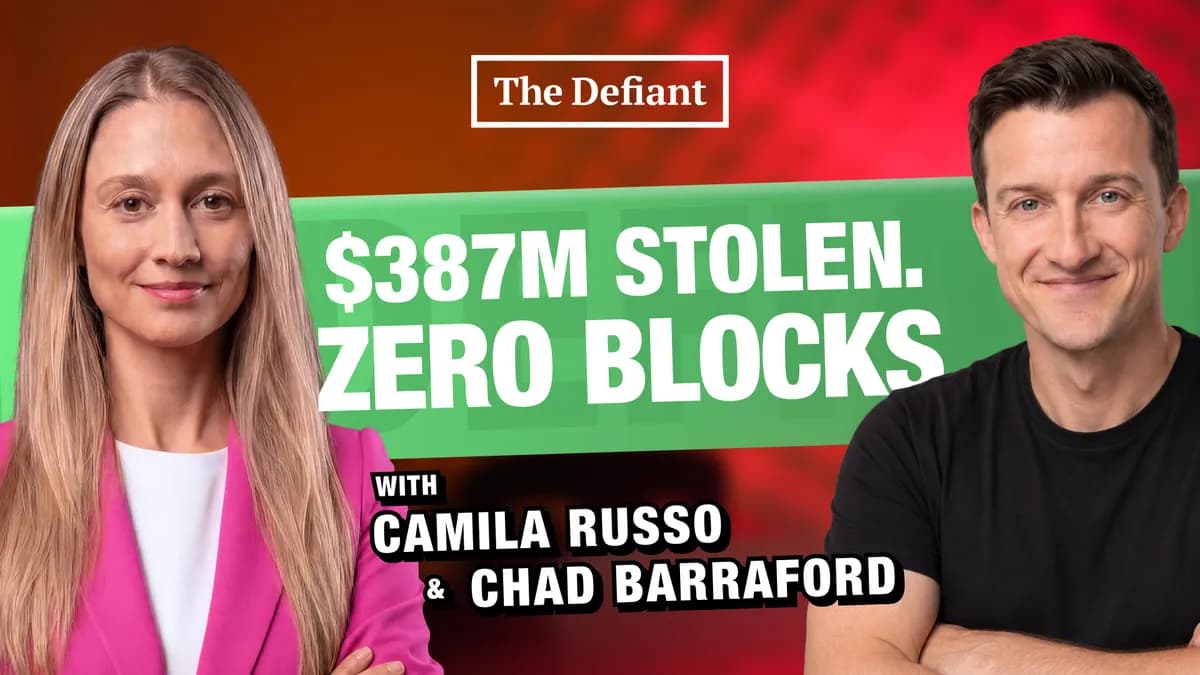
After Bitget's $387.5 million hack, the exchange requested THORChain to block the attacker's addresses, but THORChain declined. This decision raises critical questions in decentralized finance about the responsibilities of protocols in such situations.
Background on the Incident
Bitget suffered a significant hack, resulting in a loss of $387.5 million. In response, the exchange sought assistance from THORChain to block the addresses associated with the hacker. However, THORChain refused the request, a decision that has sparked debate within the DeFi community.
Tether's Action
Following THORChain's refusal, Tether took action by freezing four THORChain vaults on the Tron blockchain, which contained 1.45 million USDT. Notably, Tether unfroze these vaults just three hours later, leaving questions about the implications of such actions on DeFi protocols.

THORChain's Previous Challenges
In May, THORChain experienced its own security issue, losing $10.7 million due to a GG20 flaw and subsequently halting operations for 39 days. This history adds another layer to the ongoing discussion about security and protocol responsibilities in DeFi.
Discussion with Chad Barraford
Camila Russo interviewed Chad Barraford, THORChain’s technical co-founder, to explore the ethical implications of blocking hackers. They discussed the motivations behind hackers' cash-out methods, the differences between what protocols can and will do, and THORChain's unique position compared to other blockchains like Bitcoin and Ethereum. The conversation also touched on future developments in privacy-focused chains like Monero and Zcash, as well as the evolving dynamics between decentralized exchanges (DEXs) and centralized exchanges (CEXs).